





ICC Eyes Tougher T20 League Rules as ILT20 and MLC Face Major Changes
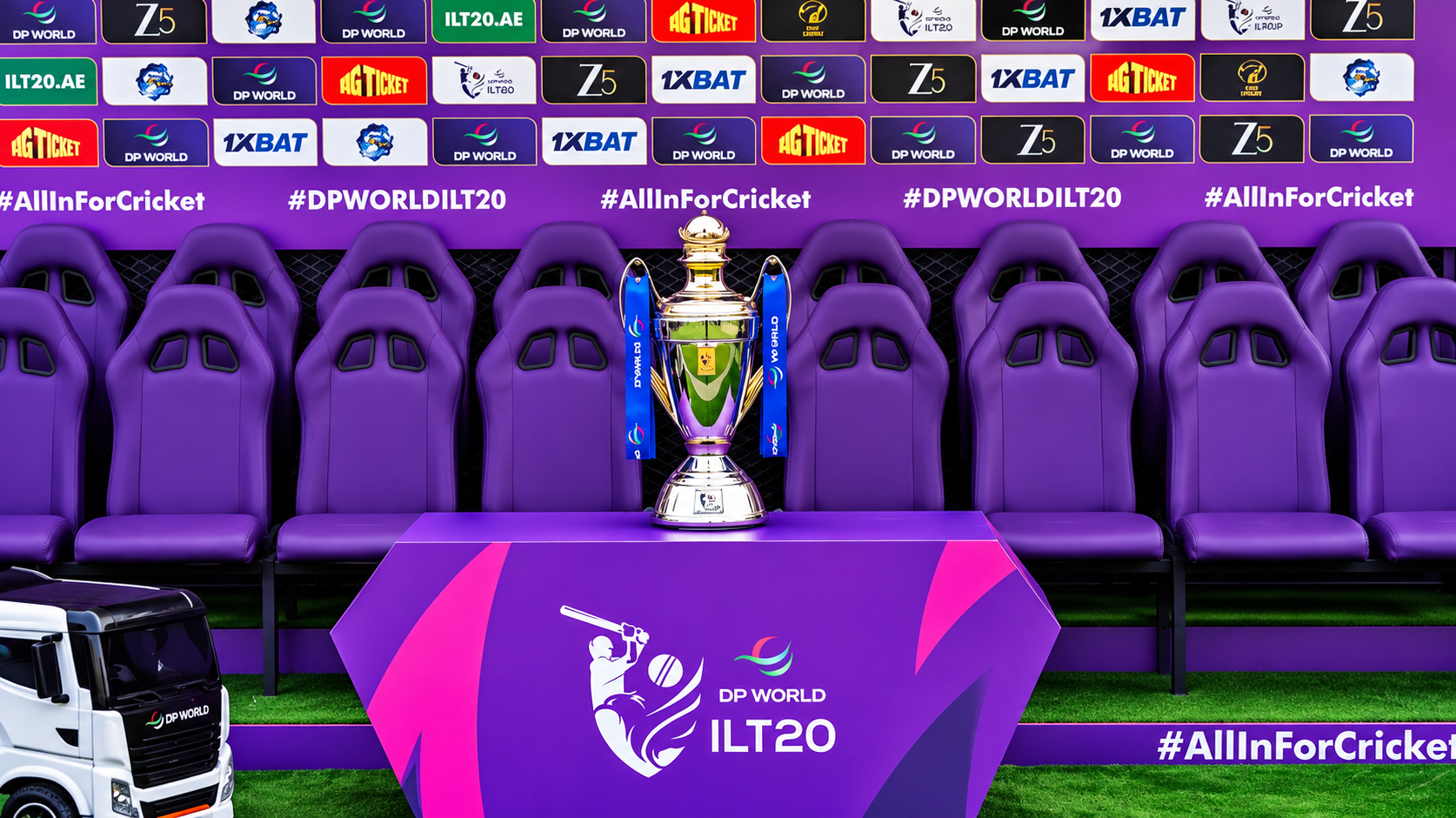
The rapid growth of franchise cricket could be heading for a major shake-up, with the International Cricket Council (ICC) considering tighter regulations that could change how T20 leagues operate around the world.
At the heart of the proposals is a push to give the ICC greater authority over franchise competitions, including stricter limits on overseas players, stronger anti-corruption measures and tougher scrutiny of league finances.
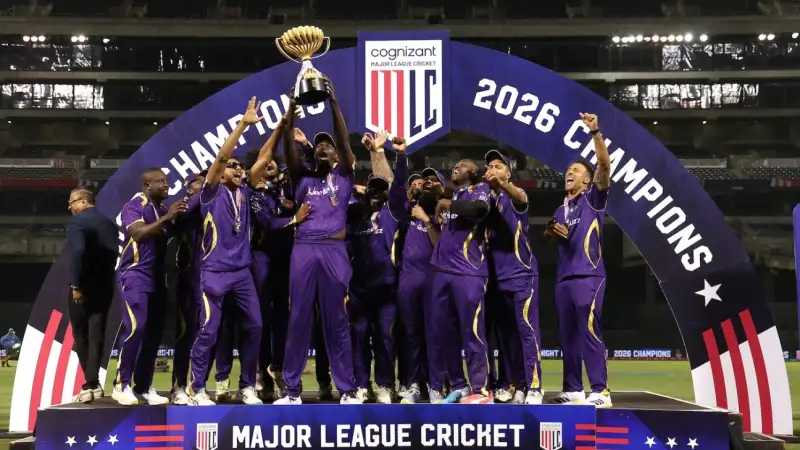
The proposed changes could have particularly serious consequences for the UAE’s International League T20 (ILT20) and Major League Cricket (MLC) in the United States, both of which have built much of their appeal around international stars.
The recommendations, prepared by an ICC review group, are expected to be discussed during the governing body’s meetings in Bali this weekend.
Overseas Player Restrictions Could Hit ILT20 and MLC
One of the most significant proposals concerns the number of overseas players allowed in a team’s starting XI.
Under the proposed approach, franchise teams would be limited to four overseas players, potentially forcing some leagues to make major changes to their squads.
The ILT20 currently permits up to nine overseas players in its playing XI, including at least one from an Associate Member nation.
MLC, meanwhile, allows teams to field as many as six overseas players.
Both competitions previously received exemptions from overseas-player restrictions introduced in 2023.
Removing those exemptions could create immediate challenges for franchises that depend on established international cricketers to attract viewers, sponsors and commercial investment.
Teams would need to rely much more heavily on domestic talent, particularly players from the UAE and United States.
While that could create additional opportunities for emerging local cricketers, it could also affect the competitive strength and commercial appeal of both competitions.
ICC Wants More Authority Over Franchise Competitions
The proposals go well beyond overseas-player limits.
At present, cricket boards representing Full Member nations have considerable freedom to approve franchise leagues within their territories.
For example, the Board of Control for Cricket in India (BCCI) is responsible for sanctioning the Indian Premier League.
Under the proposed framework, the ICC would gain the power to review those approvals and intervene if a national board failed to meet the required standards.
In serious cases, the governing body could reject an application or withdraw an existing league’s approval.
Such a change would represent a significant shift in how franchise cricket is regulated internationally.
Corruption Concerns Drive Push for Stronger Oversight
The growing number of domestic T20 competitions has also raised concerns about corruption, unreliable ownership and delayed player payments.
The ICC review group believes more thorough checks are needed before leagues receive permission to operate.
Organisers could be required to demonstrate that they have reliable financial backing, appropriate player-payment protections and effective anti-corruption systems.
Another proposal would require competitions to use either the ICC’s Anti-Corruption Unit or an integrity team approved by the governing body.
Leagues considered particularly vulnerable to corruption could face additional scrutiny.
If officials determine that the risks cannot be adequately controlled, a competition could be denied approval.
The recommendations reflect growing concern about the challenges of maintaining integrity as franchise cricket expands into new markets.
Betting Sponsorships Could Face Restrictions
Commercial partnerships are another major focus of the proposed reforms.
The review group wants to restrict sponsorship arrangements involving betting companies or businesses that indirectly promote gambling in markets where it is prohibited.
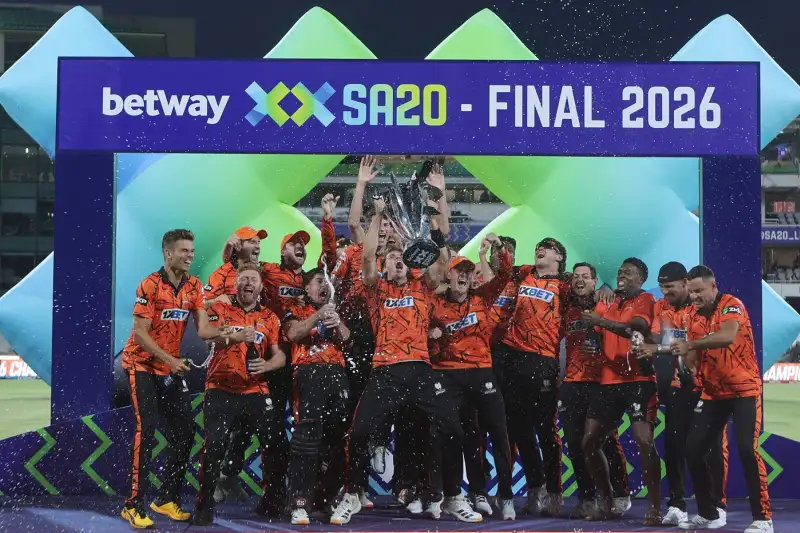
The proposed restrictions could affect competitions such as South Africa’s SA20, where betting-related sponsorship has become part of the commercial landscape.
The ICC’s concern is that such arrangements may expose cricket to illegal gambling activity and increase the risk of corruption.
League organisers could therefore face additional pressure to reconsider certain sponsorship agreements.
New Approval Fees and Player Payments Under Discussion
The review group has also recommended introducing a fee for leagues seeking official approval.
The money could help cover background checks, financial investigations and anti-corruption work.
Another issue under consideration is the standardisation of solidarity payments.
These payments are made to cricket boards whose players participate in overseas franchise competitions, recognising the boards’ role in developing international talent.
Currently, payment arrangements can vary between cricket authorities, sometimes creating disagreements over player participation.
A more consistent system could simplify negotiations and reduce disputes between leagues and national boards.
Legends Leagues and Growing T20 Calendar Also Under Review
The ICC is also examining the rise of competitions involving former international players.
Legends leagues have become increasingly popular, but the review group believes they raise questions about player eligibility and anti-corruption oversight.
Officials are expected to consider whether these tournaments should fall under the same regulatory framework as other franchise competitions.
There is also discussion about potentially limiting the number of leagues that a cricket board can sanction within its territory.
Such restrictions could help protect the international calendar, which has come under increasing pressure from the expansion of franchise cricket.
What Happens Next?
The proposals have been prepared by a review group chaired by former Bangladesh opener and current Bangladesh Cricket Board president Tamim Iqbal.
The group also includes senior officials from the England and Wales Cricket Board, Cricket Australia and the BCCI.
The recommendations will be considered by the ICC’s Chief Executives’ Committee, with proposals requiring formal approval potentially moving to the ICC board.
For now, no final decision has been announced.
But if the reforms are adopted, they could reshape the business of T20 cricket, forcing leagues to reconsider how they recruit players, attract sponsors and operate.
For competitions such as ILT20 and MLC, the outcome could be particularly important as they seek to establish themselves in an increasingly crowded global cricket market.