





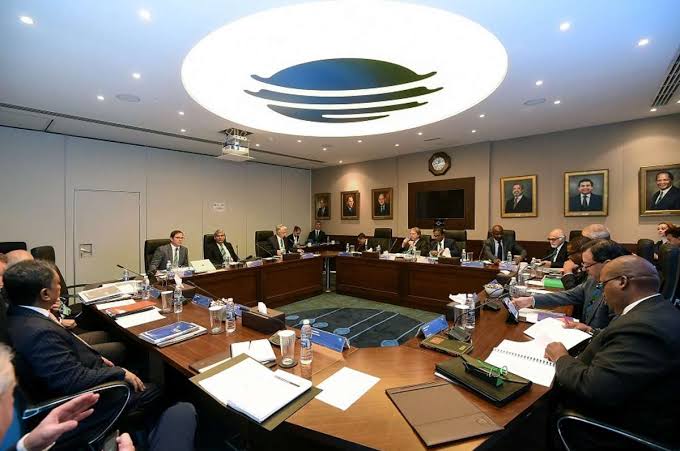
Cricket is facing a financial crossroads, and the decisions made at this week’s International Cricket Council (ICC) meeting in Bali could have lasting consequences for the global game.
The ICC is preparing to discuss a major strategic review as concerns grow over declining broadcast revenues, unequal distribution of wealth and the future of international cricket.
At the heart of the discussions is a report commissioned by the ICC and prepared by global consulting firm McKinsey & Company. The review examines the financial and structural challenges facing cricket and the changes that may be needed to protect its future.
For years, the sport has relied heavily on television and digital broadcasting agreements to fund international competitions and support national cricket boards. That model is now facing growing pressure.
And this time, even some of cricket’s wealthiest governing bodies have reasons to be concerned.
Cricket’s Heavy Dependence on Indian Broadcast Revenue
India remains the financial powerhouse of world cricket.
According to figures cited in the original report, Indian broadcasting rights account for approximately 75% of the ICC’s media rights value, highlighting just how dependent the international game has become on one market.
JioHotstar’s broadcasting agreements include approximately $3 billion for Indian Premier League (IPL) rights covering 2024 to 2027, alongside a further $720 million for Indian international and domestic cricket rights from 2023 to 2028.
These agreements have helped drive cricket’s commercial growth, but concerns are emerging over whether future deals can command similar prices.
If broadcasting companies reduce their spending during the next rights cycle, the consequences could extend far beyond India.
The ICC distributes a significant portion of its revenue among member nations, many of which depend on those payments to operate their cricket programmes.
A smaller broadcasting deal could therefore mean less money for cricket boards around the world.
ICC Revenue Distribution Under Growing Scrutiny
The current ICC financial model has long been a subject of debate.
Under the 2024–2027 revenue distribution arrangement, India receives approximately 38.5% of the ICC’s income, reflecting its enormous contribution to the sport’s commercial value.
Bangladesh receives around 4.46%, while the 99 Associate members collectively share approximately 11.19%.
The differences are substantial.
For financially stronger cricket boards, a reduction in ICC distributions could mean difficult budget decisions. For smaller nations, the impact could be much more serious.
Development programmes, domestic competitions, coaching structures and international tours all require funding.
If that funding declines, the gap between cricket’s established powers and emerging nations could grow even wider.
According to a previously reported internal document from Cricket Netherlands, the ICC had warned of a possible 30% reduction in revenue in 2028 following the renewal of media rights agreements.
That figure represents a warning rather than a confirmed outcome, but it illustrates the scale of the financial uncertainty.
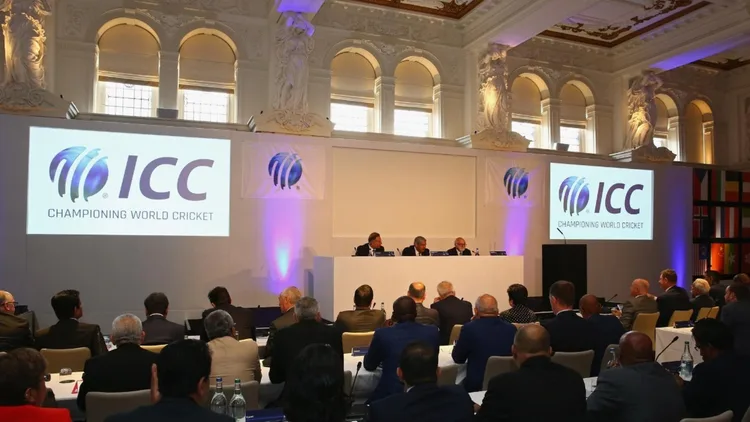
Even England and Australia Are Feeling the Pressure
Financial difficulties are no longer limited to cricket’s smaller nations.
The England and Wales Cricket Board (ECB) is reportedly forecasting losses of up to £50 million next year, despite the commercial appeal of hosting an Ashes series.
One contributing factor is the ICC’s decision to retain a portion of broadcasting distributions to help cushion the potential impact of future revenue declines.
The situation raises an uncomfortable question for international cricket.
If a major cricket board struggles to generate a surplus during an Ashes summer, what does that mean for countries whose bilateral series attract significantly smaller audiences and broadcasting deals?
For many national boards, hosting international cricket is already expensive.
Touring arrangements, stadium operations, player payments, security and broadcasting production all add to the cost.
Without sufficient commercial income, even competitive international series can become financial liabilities.
Why Bilateral Cricket Faces an Uncertain Future
Outside the sport’s biggest markets, bilateral international cricket has become increasingly difficult to sustain financially.
The original analysis estimates that bilateral cricket involving nations outside India, England and Australia generates less than 4% of the sport’s combined global revenue.
That creates a serious imbalance between the cost of staging matches and the income they generate.
Bangladesh offers an example of the challenge.
The Bangladesh Cricket Board reportedly struggled to secure broadcasting arrangements for its home Test series against West Indies after plans to package its 2026–27 international rights together were disrupted by uncertainty surrounding an India tour.
Reports also suggest that Bangladesh recorded financial losses in seven of nine home international series between 2022 and 2025, with tours involving India and England providing the profitable exceptions.
For boards in similar positions, hosting India can make a major difference to annual revenue.
But that dependence also leaves them vulnerable.
If Indian broadcasting rights lose value, the financial benefits associated with those tours may also come under pressure.
The result could be fewer profitable international fixtures and greater difficulty maintaining regular bilateral cricket.
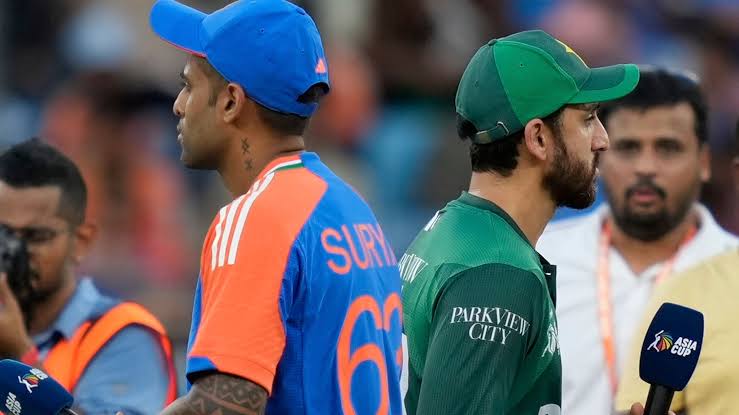
A Crowded Calendar Makes Reform More Difficult
Money is only one part of cricket’s problem.
The international calendar has become increasingly congested, with Test cricket, bilateral white-ball series, ICC tournaments and domestic franchise leagues competing for space.
Players face demanding schedules, while national boards must balance international commitments against the commercial opportunities offered by franchise competitions.
The challenge is not simply finding more matches to play.
It is creating a schedule that makes financial sense while protecting the different formats of the game.
Proposals for additional international competitions, including a World Club Championship, have already faced obstacles.
Reports also indicate that the Board of Control for Cricket in India (BCCI), ECB and Cricket Australia have expressed reservations about expanding triangular and quadrangular series because of existing scheduling pressures.
Any meaningful restructuring would require agreement among cricket’s most influential governing bodies.
That may prove difficult when different boards have different financial priorities.
Can the ICC Bring Cricket’s Biggest Boards Together?
The ICC’s governance structure adds another layer of complexity.
Unlike a centralised sports league, international cricket operates through national governing bodies that retain considerable influence over their own fixtures and commercial arrangements.
That means reforms designed to benefit the wider game may not always align with the immediate financial interests of individual boards.
The World Cricketers’ Association has previously raised concerns about the sport’s fragmented structure and the lack of a coordinated global calendar.
Paul Marsh, who helped prepare a WCA report on cricket’s future, has argued that the sport is failing to make full use of its international growth potential.
His concerns centre on governance, scheduling and the competing interests of national cricket boards.
The ICC’s challenge is to find a model that allows the game’s biggest commercial markets to prosper while providing smaller nations with enough financial security to develop.
That could involve changes to revenue distribution, more coordinated scheduling and new ways of generating income beyond traditional broadcasting contracts.
However, the strategic review’s recommendations have not yet been formally adopted, and there is no guarantee that the meeting will produce immediate reforms.
Why the Bali Meeting Matters for Cricket’s Future
The ICC’s meeting in Bali arrives at a particularly important moment.
Cricket has enjoyed significant commercial growth through the IPL, international tournaments and the expansion of franchise leagues.
Yet that success has not translated into equal financial stability across the sport.
Many cricket boards remain heavily dependent on ICC distributions and occasional high-value bilateral tours.
At the same time, concerns about future broadcasting deals are forcing administrators to reconsider whether the current financial structure can remain sustainable.
The McKinsey review gives the ICC an opportunity to examine those weaknesses and consider a more coordinated approach.
The bigger question is whether cricket’s most powerful stakeholders can agree on changes that serve the long-term interests of the entire sport.
Cricket does not lack global appeal. What it needs is a financial and competitive structure capable of supporting that appeal across more nations.
The decisions taken in Bali may not solve every problem immediately, but they could reveal whether the ICC and its members are prepared to confront the challenges that have been building for years.